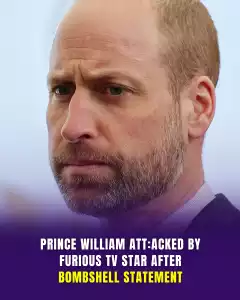
Prince William is expected to bring significant change to the monarchy when he becomes King — and one royal tradition he reportedly “hates” could be among the first to go.
Veteran BBC broadcaster David Dimbleby, 87, who has covered major royal events such as Princess Diana’s funeral in 1997 and Queen Elizabeth II’s funeral in 2022, recently shared his insights ahead of his new BBC documentary *What’s the Monarchy For?* He believes the future King William will likely move away from outdated customs.
Dimbleby criticized excessive formality within the Royal Family, especially the traditional bows, curtsies, and overly ceremonious displays. “I don’t like the obsequiousness at all,” he said. “From what I hear, William shares that view. The bowing and scraping element is quite outdated and ridiculous, and the pomp of the court still exists, which is absurd.”
He argued that the monarchy should reflect the spirit of modern times—not be a “Disneyland-style spectacle” or rely on arguments like tourism benefits. He also pointed out a “growing tide” of young people losing interest in the monarchy.
While he doesn’t think Britain will become a republic soon, he believes a revamped, modernized monarchy under King William could be a strong and suitable model: “A carefully constructed form of monarchy is likely the best option — and could work perfectly well.”
Dimbleby also questioned long-standing royal privileges such as the exemption from paying taxes, calling them “antiquated.”
Meanwhile, Prince William himself has hinted at his intentions for change. In a conversation with actor Eugene Levy on Apple TV+’s *The Reluctant Traveler*, William said, “I think it’s safe to say that change is on my agenda. Change for good.” Although he didn’t reveal specific plans, his words suggest a shift toward modernization.
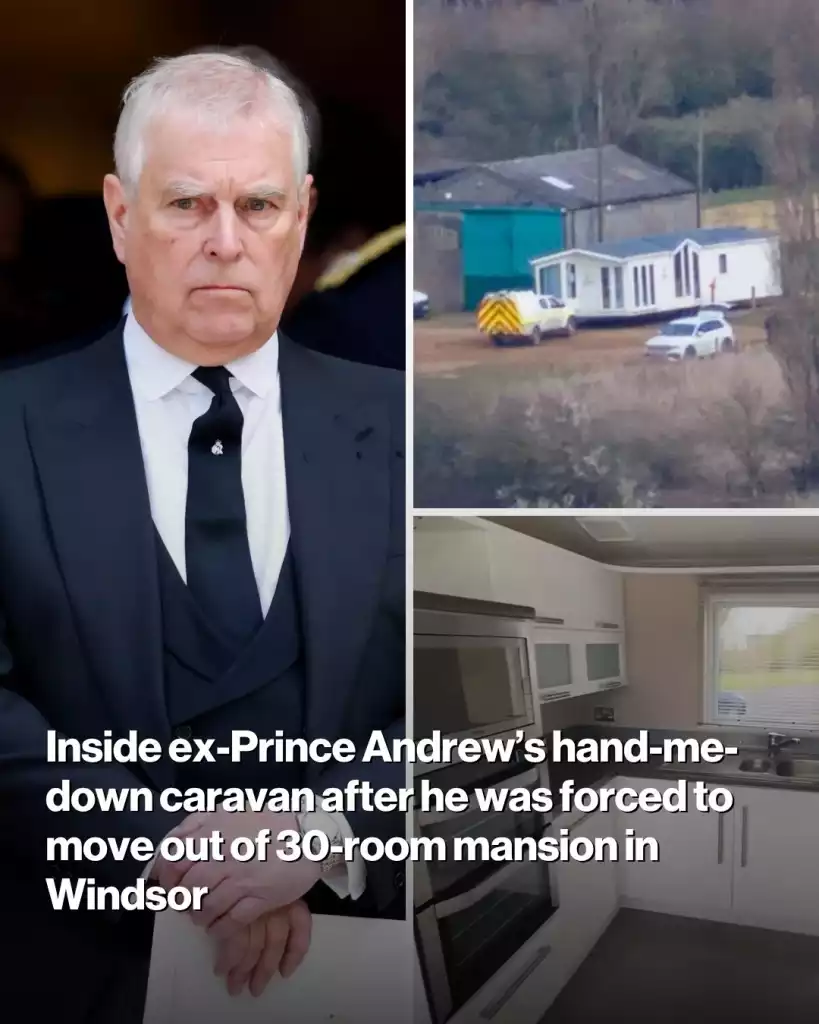
These discussions come at a time when public support for the Royal Family has slightly declined, especially following controversies involving Prince Andrew.