During his meetings with the late Queen Elizabeth II, Donald Trump claims there was one question she consistently refused to answer. Her response, according to him, revealed a great deal about her diplomatic style.
Trump first met the British monarch in 2018 during an official visit to the United Kingdom, where they had tea at Windsor Castle. The two met again in 2019 during a state visit, continuing a long-standing tradition in which British monarchs receive world leaders.
A Question the Queen Would Not Entertain

In a conversation later shared with author Susan Page for the book *The Queen and Her Presidents: The Hidden Hand That Shaped History*, Donald Trump recalled asking the Queen a seemingly simple question: which US president she liked the most.
According to Trump, Queen Elizabeth II responded diplomatically, saying that all of them had been good. Even when he tried to press further by naming specific figures such as Ronald Reagan and Richard Nixon, her answer remained consistent.
She reportedly emphasized that she could not speak negatively about any of them, reiterating that each had worked hard and deserved respect.
A Consistent Diplomatic Approach
The same careful neutrality applied when the conversation turned to British politics. When asked whether she had a favorite prime minister, including figures like Winston Churchill, the Queen again avoided singling anyone out.
Instead, she highlighted their dedication and differences without ranking them, maintaining a strictly neutral stance.
This approach was consistent with her role as a constitutional monarch, where remaining politically impartial is essential. Over the course of her reign, she met 14 US presidents, spanning decades of global political change.
Trump’s Reaction
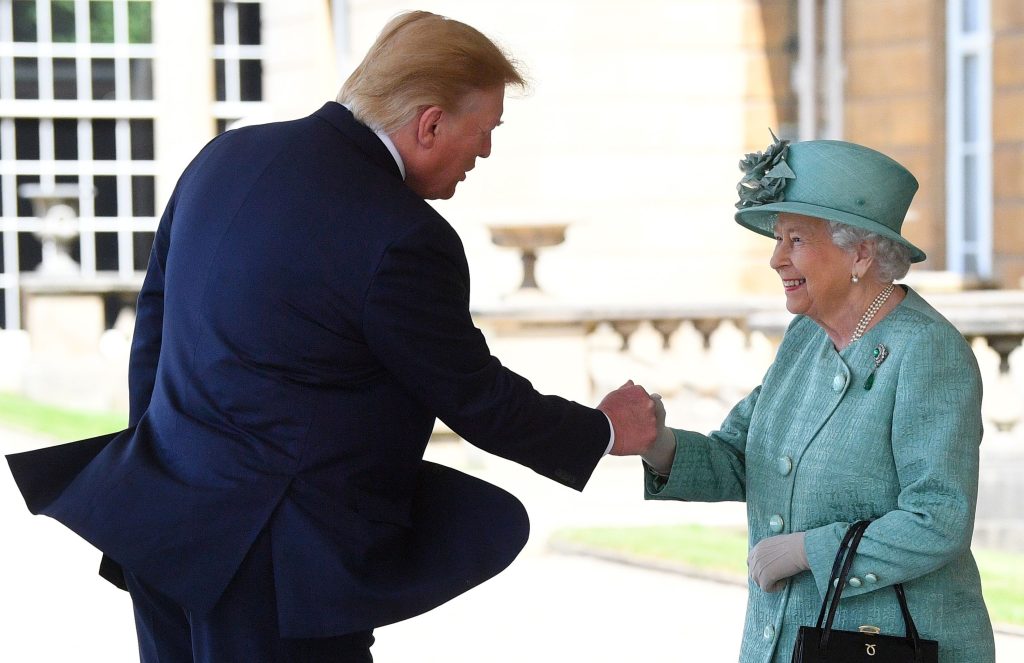
Trump later reflected on the exchange with a sense of admiration. He noted how effectively the Queen avoided controversy, describing her ability to remain neutral as “genius.”
He also acknowledged the contrast between her reserved, measured communication style and his own more direct approach, suggesting that her restraint was intentional and rooted in a desire to avoid unnecessary conflict.
The interaction offers a glimpse into the Queen’s enduring legacy as a figure of stability and discretion. By refusing to favor one leader over another, she upheld the neutrality expected of her position while maintaining strong relationships across political divides.
Her response, while simple, reflected decades of experience navigating public life without creating division—an approach that continues to define her reputation even after her passing in 2022.