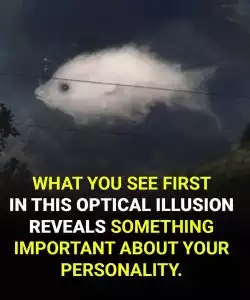
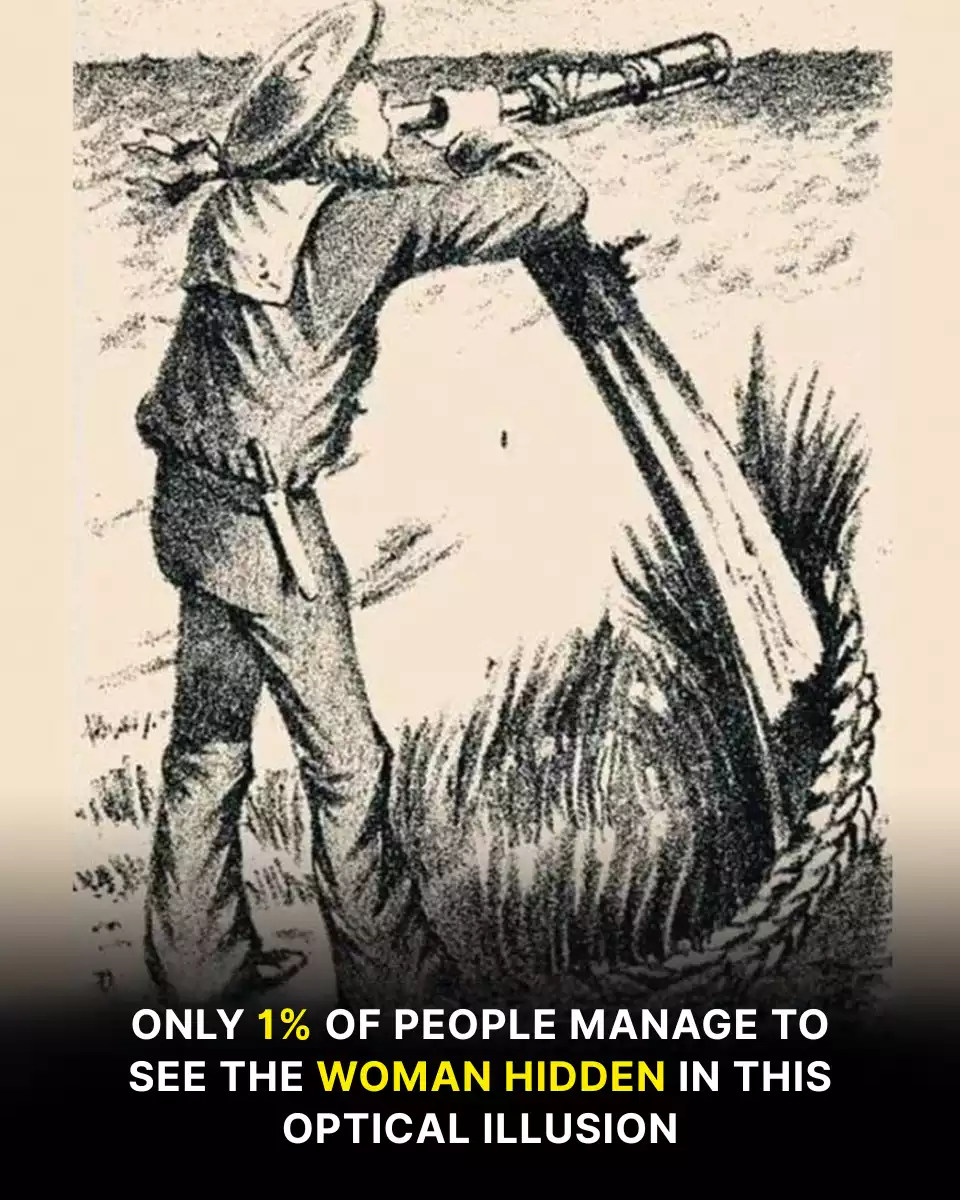
Optical illusions have a strange way of pulling us in. At first glance, we think we are simply looking at shapes or shadows. Then suddenly, a face appears. Then another. Sometimes we cannot unsee them once they reveal themselves.
This happens because the brain hates uncertainty. When an image is vague or incomplete, the mind rushes to fill in the gaps. It draws on memories, emotions, and past experiences to create meaning. Faces are especially powerful triggers. From a very young age, humans are wired to recognise them instantly, as they are essential for communication and survival.
That is why, in the same image, one person may see only a few faces while another sees many more. It is not about intelligence. It is about perception.
What the number of faces you noticed may suggest

If you noticed only one to three faces, you likely focus on what feels most obvious and important. You tend to cut through visual or emotional noise and concentrate on what matters. In everyday life, this often shows as a preference for clarity, structure, and practical solutions. You stay grounded and rarely let your thoughts spiral unnecessarily.
If you spotted four to six faces, it points to a balanced way of seeing things. You notice the main picture, but you are also comfortable exploring details when needed. This often goes hand in hand with emotional awareness. You sense moods, read between the lines, and adapt easily depending on the situation. People around you may see you as calm, observant, and understanding.
If you saw seven or more faces, your perception is likely very sensitive and imaginative. Your mind quickly picks up on subtle changes, patterns, and hidden elements. This can be a great strength, especially in creative or social settings. At the same time, it may mean you sometimes overthink or read deeply into situations that others brush past without a second thought.
A reminder not to take it too seriously
These kinds of images are not tests, and they certainly do not define who you are. They are playful tools that highlight one simple truth. Everyone sees the world differently. What stands out to you may remain invisible to someone else, and vice versa.
In the end, optical illusions are less about labels and more about curiosity. They invite us to slow down, look again, and realise that perception is never as straightforward as we think. Sometimes, all it takes is a shift in perspective to discover something new.